


Why Myopia Follow-Ups Matter Even When Glasses Still Work
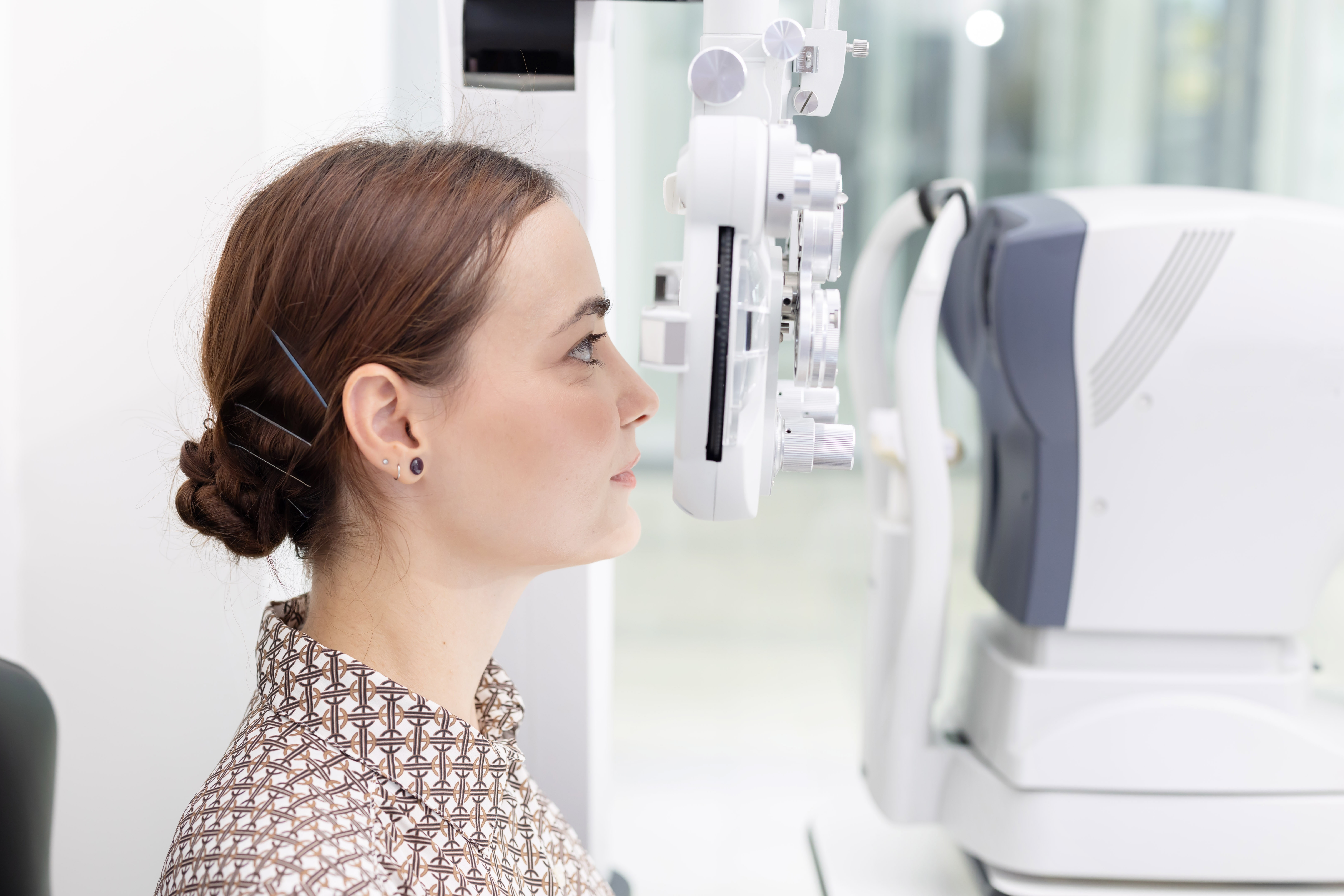
If your child can still see clearly through their current glasses, it may seem like there is no reason to schedule another myopia appointment yet. However, clear vision with glasses does not necessarily mean your child's nearsightedness has stopped progressing.
At Deja Vu Optometry in Katy, we use myopia follow-ups to track how a child's vision changes over time. Regular monitoring helps us determine whether the current prescription and myopia management plan continue to meet their needs as their eyes grow.
Glasses Can Still Work While Myopia Progresses
Myopia, or nearsightedness, causes distant objects to appear blurry. Glasses correct that blur so your child can see the classroom board, road signs, and other distant objects clearly.
The important distinction is that standard single-vision glasses correct vision but do not slow the underlying progression of myopia. A child may still feel that their glasses work while their eyes are gradually becoming more nearsighted.
Follow-up exams allow us to measure those changes instead of waiting until the current glasses become noticeably inadequate.
What Do We Check at a Myopia Follow-Up?
The exact evaluation depends on your child's age, prescription, treatment, and previous findings. During a Katy myopia follow-up, we may review:
Changes in prescription strength and distance vision
How clearly your child sees with current glasses or contacts
Eye health and corneal condition
Contact lens fit and comfort when applicable
How consistently the myopia treatment is being followed
Changes parents or children have noticed at school or home
Comparing these findings with previous appointments helps us understand whether myopia appears relatively stable or continues to progress.
Why Does Tracking Progression Matter?
Myopia often becomes stronger during childhood while the eyes are still developing. Higher levels of myopia are associated with greater lifetime risks of certain eye conditions, including retinal detachment, glaucoma, cataracts, and myopic macular degeneration.
Myopia management is designed to slow the rate of progression rather than cure nearsightedness. No treatment can guarantee that a child's prescription will completely stop changing.
Regular follow-ups give us the information needed to determine whether the current approach appears to be working or whether adjustments should be considered.
Can the Treatment Plan Change Over Time?
Yes. Your child's prescription, eye health, maturity, lifestyle, and treatment response can all change.
Deja Vu Optometry offers several approaches to myopia management in Katy, so the plan can be individualized based on each child's needs. A child using specialty glasses may eventually need a different prescription, while a child wearing myopia-control contacts may need the fit or vision checked as their eyes change.
Follow-up care is especially important with contact lenses because we also need to make sure the corneas remain healthy and the lenses continue fitting appropriately.
What Should Parents Watch for Between Visits?
Your child may not realize their vision is becoming blurrier because changes can happen gradually. Watch for increased squinting, moving closer to screens, difficulty seeing classroom displays, or comments that distant objects no longer look as sharp.
If your child wears contacts, also pay attention to redness, discomfort, dryness, or reduced wearing time. Significant pain, strong light sensitivity, discharge, or sudden changes in vision should be evaluated promptly rather than waiting for the next routine appointment.
Healthy visual habits can support your child's overall eye care as well. Regular outdoor time and breaks during prolonged reading, homework, or screen use are worthwhile, but they do not replace prescribed myopia management.
If your child's glasses still seem clear but they are due for a myopia progress check, contact Deja Vu Optometry at 2750 FM 1463, Suite #230, Katy, TX 77494 by calling (281) 665-3274 to schedule a follow-up and keep their changing vision carefully monitored.
Helpful Articles
article_category: restorative
article_category: vision therapy
article_category: contact lenses
article_category: health
article_category: conditions
article_category: eye surgery co-management
article_category: exotic
article_category: cosmetic
article_category: products
article_category: psychiatry
article_category: faqs
article_category: cats
article_category: general
article_category: services
article_category: technology
article_category: dogs
article_category: surgical procedures
article_category: aesthetics
article_category: preventative
article_category: ocular disease management
article_category: eyeglasses
article_category: eye health
article_category: large animal
[]
Flowbite is an open-source library of interactive components built on top of Tailwind CSS including buttons, dropdowns, modals, navbars, and more.
Check out this guide to learn how to get started and start developing websites even faster with components on top of Tailwind CSS.
All Eye Care Services
Find personalized eye care excellence with our comprehensive services. From eye exams to advanced diagnostics, trust us for all your vision needs.
Keep In Touch
For non-urgent questions or to learn more about our services, contact us today!
© 2026 Deja Vu Optometry. All rights Reserved - Accessibility Statement - Privacy Policy - Sitemap
Managed and Designed by 